Skip Navigation
Skip Main Content
State-of-the-Art Diagnostics

Lower Extremity Evaluation

Precision answers matter. Our lower extremity evaluations are designed to identify the source of foot and ankle pain with greater clarity, combining hands-on expertise with advanced in-office imaging to help guide the next step in care.

Lower extremity imaging and evaluation

Advanced diagnostic tools help assess alignment, fractures, tendon conditions, instability, deformity, and other structural problems without unnecessary delays or fragmented care.

The POW Difference

Beyond Standard Evaluation

At Prisk Orthopaedics and Wellness, lower extremity evaluation is built around precision. The focus is not only on common foot and ankle conditions, but also on recognizing subtle, complex, or easily missed problems that can affect long-term function and comfort.

Instead of sending patients from one facility to another for answers, our approach brings advanced diagnostic capability directly into the office setting. This allows evaluation and imaging to work together in a more efficient, more connected experience.

Immediate Insight In-office technology helps shorten the time between symptoms, diagnosis, and treatment planning.
Greater Precision Advanced imaging helps clarify structural problems, occult injuries, subtle instabilities, and deformities.
More Connected Care Evaluation and imaging happen within a more cohesive clinical setting instead of across multiple locations.
Foot and ankle consultation with advanced evaluation
Advanced Imaging

Technology That Supports More Precise Diagnosis

Our in-office imaging tools help evaluate lower extremity conditions with greater detail and efficiency, often helping clarify what is happening structurally without unnecessary back-and-forth between outside facilities.

Weightbearing foot imaging and x-ray evaluation
Advanced CT & X-Ray

Weightbearing Imaging

Weightbearing imaging can reveal how the foot and ankle behave under load, offering valuable insight into alignment, deformity, joint position, and structural imbalance that may not be as clear in non-weightbearing views.

  • Useful for evaluating alignment and load-dependent mechanics
  • Supports detailed assessment of foot and ankle structure
  • Helps guide diagnosis and treatment planning in-office
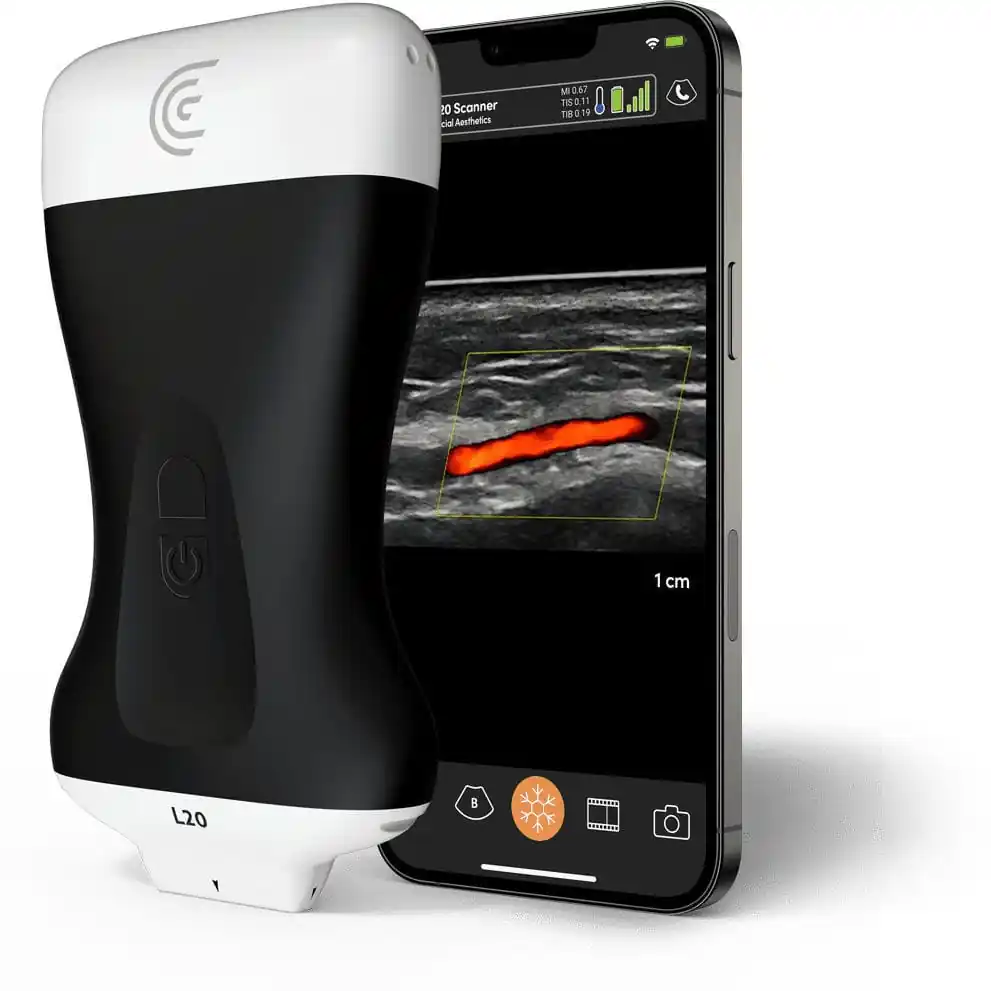
Clarius ultrasound for lower extremity evaluation
Point-of-Care Ultrasound

Dynamic Soft Tissue Evaluation

Ultrasound can help assess tendons, ligaments, and other soft tissue structures in real time, adding a dynamic layer of evaluation when symptoms are linked to motion, irritation, or instability.

  • Real-time visualization in the exam room
  • Helpful for tendon and ligament assessment
  • Supports immediate clinical decision-making
Precision-guided imaging and injections
Precision Guidance

Fluoroscopic Accuracy

Guided imaging can support more precise evaluation and intervention, especially when small joints, instability, or targeted injections are part of the diagnostic or treatment process.

  • Helpful for targeted guidance during select procedures
  • Supports better visualization of difficult areas
  • Can improve comfort and accuracy in-office
Evaluation of deformity and foot structure
Structural Assessment

Clarifying Complex Conditions

Advanced evaluation can be especially valuable when symptoms involve subtle instability, deformity, congenital variation, occult injury, or structural problems that may not be obvious on a basic exam alone.

  • Supports more complete understanding of complex cases
  • Helps distinguish overlapping causes of pain and dysfunction
  • Improves confidence in the treatment plan
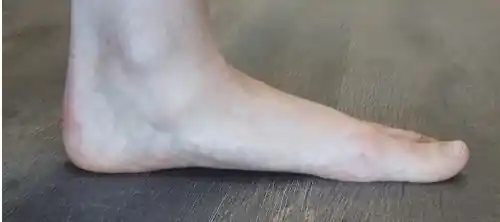
Foot structure and lower extremity diagnostic evaluation
What This Means for Patients

More Clarity, Less Delay

A strong evaluation process helps answer important questions earlier: what is causing the pain, where the problem is located, how severe it is, and what kind of treatment is most appropriate. That level of clarity can be especially important when symptoms have lingered, worsened, or been difficult to explain.

By combining clinical expertise with advanced diagnostic tools, the evaluation process is better positioned to support more confident decision-making and a more personalized treatment plan.

  • Better visibility into the cause of symptoms
  • More efficient path from consultation to diagnosis
  • Treatment planning informed by structural detail
  • A more streamlined in-office experience
Comprehensive Assessment

Evaluating Both Pain and Performance

Lower extremity concerns are not always limited to one isolated structure. Pain, instability, deformity, gait changes, and activity limitations often overlap. A thorough evaluation looks at the broader picture so treatment can be based on how the foot and ankle function as a system.

That includes attention to joint alignment, tendon integrity, structural support, imaging findings, and the way symptoms show up during standing, walking, and everyday activity.

Movement-focused lower extremity evaluation
Next Step

Ready for an Expert Evaluation?

If you are dealing with persistent foot or ankle pain, instability, deformity, or an unclear diagnosis, a more advanced lower extremity evaluation can help clarify the problem and guide the right treatment approach.