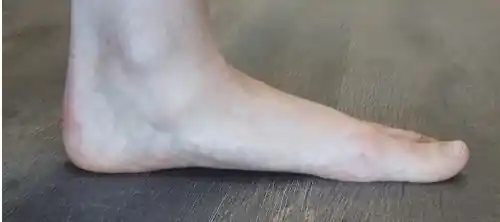
Flatfoot Deformity
Progressive collapse through the arch and heel can lead to pain, fatigue, tendon strain, and difficulty with walking. Corrective treatment may help restore support, shape, and more balanced function.
Foot and ankle deformities can change the way you move, affect balance and stability, and cause pain that worsens over time. Our goal is to restore alignment, improve function, and help you return to more comfortable daily activity with a treatment plan tailored to your specific condition.

Whether the issue stems from arthritis, tendon imbalance, structural collapse, or a longstanding foot condition, precise diagnosis is the first step toward lasting correction.
Deformity correction is about more than appearance. When the bones, joints, tendons, and supporting structures of the foot or ankle shift out of alignment, the result can be chronic pain, instability, difficulty wearing shoes, reduced mobility, and progressive joint damage.
Some deformities develop gradually over time, while others are linked to arthritis, tendon dysfunction, prior injury, chronic imbalance, or inherited foot structure. A detailed exam and imaging help determine both the severity of the problem and the most effective path forward.

Each deformity is unique. Some are flexible and progressive, while others are rigid, painful, or arthritis-driven. Treatment depends on the specific mechanics of your foot and ankle as well as your symptoms and goals.
Progressive collapse through the arch and heel can lead to pain, fatigue, tendon strain, and difficulty with walking. Corrective treatment may help restore support, shape, and more balanced function.

A high-arched foot can place excessive pressure on key areas of the foot, contributing to pain, imbalance, and recurrent instability. Treatment focuses on improving mechanics and reducing overload.
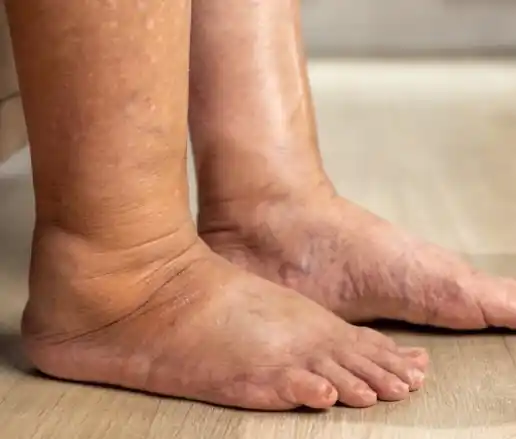
Degenerative joint changes can alter alignment and create pain, stiffness, and loss of function. Treatment may address both the deformity itself and the damaged joint contributing to symptoms.
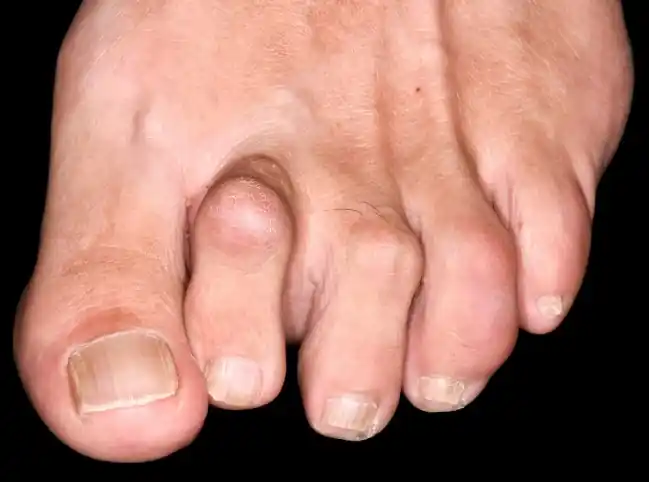
Hammer toes can cause pressure, irritation, shoe discomfort, and progressive changes in toe alignment. Depending on severity, treatment may help restore comfort and improve overall foot mechanics.

The goal of correction is not simply to make the foot look straighter. Effective treatment focuses on rebuilding a more stable and functional structure so the foot and ankle work better under the demands of standing, walking, and activity.
Depending on the diagnosis, treatment may include addressing bone alignment, reducing joint overload, restoring tendon support, or stabilizing joints that have become painful or unstable. In some cases, non-surgical care may be appropriate. In others, surgery may offer the best opportunity for meaningful correction.
Imaging plays an important role in evaluating deformity, especially when symptoms involve joint damage, bone position, alignment changes, or progression over time. It helps clarify what is happening structurally and supports more precise treatment recommendations.
When appropriate, advanced evaluation can help distinguish between flexible and rigid deformity, identify arthritic change, and guide decisions about whether treatment should focus on support, reconstruction, or stabilization.

If foot or ankle deformity is affecting your comfort, mobility, or quality of life, a thorough evaluation can help clarify the cause and identify the best treatment options for you.